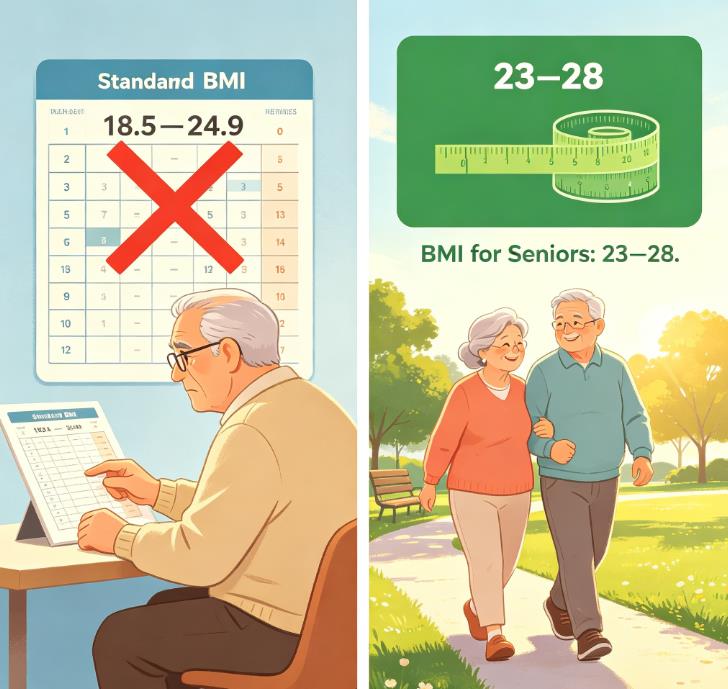
At a Glance: BMI for seniors and elderly adults requires a different lens than the standard adult chart. The CDC and Academy of Nutrition and Dietetics recommend a slightly higher healthy BMI range of 23.0 to 27.0 for adults aged 65 and older, accounting for age-related muscle loss, height changes, and the protective benefits of modest nutritional reserves. This guide explains how to calculate senior BMI correctly, what each range actually means for older adults, and practical, sustainable habits to support strength, mobility, and overall wellness.


Editorial development: BMI Calculator Blog Team — reviewed by in-house public health analysts and geriatric wellness specialists, including a Registered Dietitian Nutritionist (RDN) with expertise in older adult nutrition. Content fully aligned with CDC clinical guidelines for older adult health and the Academy of Nutrition and Dietetics recommendations for healthy aging. Last Reviewed: May 2026.


How BMI for Seniors Differs from Younger Adults

Most adults are familiar with the standard BMI range—18.5 to 24.9 is considered healthy for adults aged 18 to 64. But for seniors 65 and older, those numbers shift. The Centers for Disease Control and Prevention (CDC) and the Academy of Nutrition and Dietetics recommend a slightly higher healthy BMI range for elderly adults: 23.0 to 27.0. This adjustment isn't arbitrary—it reflects the physiological realities of aging.

First, sarcopenia—the gradual loss of muscle mass that accelerates after 65—means that a lower BMI in an older adult often signals muscle and bone loss, not leanness. Muscle is denser than fat, so as muscle mass naturally declines, a senior's weight may stay the same or even drop while their body composition shifts toward a higher fat-to-muscle ratio. A BMI of 25, classified as "overweight" for a 35-year-old, is often ideal for a 75-year-old because it provides a nutritional buffer that supports recovery from illness, surgery, or infection.

A comprehensive meta-analysis of approximately 200,000 individuals aged 65 years and older confirmed a U-shaped relationship between BMI and mortality risk, with the lowest long-term mortality observed in the BMI range of 24 to 30 kg/m². This finding directly supports the use of an age-adjusted BMI standard for seniors, as the traditional healthy weight range (18.5–24.9) was largely derived from younger and middle-aged populations. Healthcare (Basel), 2022 Oct;10(10):2107.

Let me share what that looks like in practice. “In 22 years of geriatric practice in Chicago, I've seen hundreds of patients with a BMI of 22 who were malnourished and frail, while those with a BMI of 27 bounced back quickly from pneumonia or hip fracture. The BMI chart for seniors needs its own lane,” says Dr. Robert Chen, a board‑certified geriatrician and clinical instructor at Northwestern Medicine.

But there's another crucial change that often goes unnoticed: height. Due to spinal compression and osteoporosis, many older adults have lost 2–3 inches since their younger years. Using a decades-old height measurement will artificially inflate your BMI. Always measure current height, not the height listed on an old driver's license. For wheelchair-bound or bedridden seniors, arm span can serve as a reasonable substitute for height in the BMI formula when a standing measurement isn't feasible.

One more critical distinction: being underweight is far more dangerous for seniors than carrying a few extra pounds. A BMI consistently below 23 in an older adult is associated with higher risks of malnutrition, falls, fractures, and weakened immune response. The adjusted healthy range prioritizes stable weight and muscle preservation over a number designed for younger populations. This 23.0–27.0 adjusted range is the widely accepted standard for Caucasian older adults in the U.S. and Europe. For Asian older adults, a slightly lower healthy BMI threshold—typically 22.0–26.0—is sometimes applied due to differences in body composition and metabolic risk, while Black older adults may have a marginally higher healthy range, reflecting population-level variations in muscle mass and bone density.

Here's the bottom line: A higher BMI is often protective in later life. Use current height, and remember that the 23.0–27.0 range is a guideline for most U.S. seniors, with modest adjustments for ethnic background.

BMI for Seniors and Elderly – Age-Adjusted Healthy BMI Range and Calculation

How to Calculate BMI for Seniors Correctly

Calculating BMI for seniors uses the same core formula as for any adult, but accuracy depends on using current measurements—not remembered ones from decades past. A senior BMI calculator designed specifically for older adults applies age-adjusted ranges, saving you the math.

Step 1: Gather Accurate Measurements

Use your current height. Stand barefoot against a wall with heels together and head level. If standing is difficult, arm span (fingertip to fingertip with arms outstretched) can approximate height for most adults. Weigh yourself on a digital scale at the same time each day, preferably in the morning before eating or drinking. For seniors with limited mobility, a portable chair scale or wheelchair-accessible scale at a healthcare provider's office provides the most reliable reading.

Step 2: Use the Correct Formula

For metric: weight in kilograms divided by height in meters squared. For imperial: weight in pounds divided by height in inches squared, multiplied by 703. But for most seniors and caregivers, a dedicated senior BMI calculator eliminates the arithmetic and applies the appropriate 23.0–27.0 healthy range automatically.

Step 3: What Your Results Mean

  • Underweight (BMI below 23): Higher risk of malnutrition, sarcopenia, falls, and infection. Focus on nutrient-dense foods and gradual, healthy weight gain.

  • Healthy Weight (BMI 23.0–27.0): The optimal range for most seniors, supporting muscle strength, energy levels, and overall wellness.

  • Overweight (BMI 27.1–30.0): Moderate risk, though research shows lower mortality than being underweight. Focus on weight maintenance rather than loss unless advised by a physician.

  • Obese (BMI 30.1 and above): Higher risk of chronic conditions like diabetes, heart disease, and mobility limitations. Work with a healthcare provider on gradual, supervised weight management.

For a more complete picture, pair BMI with a body fat calculator that distinguishes between muscle and fat mass—something BMI alone cannot do, and something especially relevant for older adults experiencing body composition shifts.

What this means for you: Accurate current measurements matter more than the formula you use. Pair BMI with waist circumference and body composition for a fuller health picture.

Practical Tips to Maintain a Healthy BMI for Seniors

Maintaining a healthy BMI as a senior isn't about strict diets or intense exercise. It's about small, sustainable habits that support muscle, bone, and energy.

  • Prioritize protein to preserve muscle. Aim for 1.2 to 1.5 grams of protein per kilogram of body weight daily. For a 150-pound (68 kg) senior, that's roughly 82 to 102 grams spread across meals. Take 78-year-old Mary, who found that a breakfast of Greek yogurt and an egg, grilled chicken with vegetables for lunch, and lentil soup with whole-grain bread for dinner hit her protein target without any complicated tracking—and she noticed she had more energy for her morning garden rounds within a few weeks. Protein preserves the muscle mass that supports metabolism, mobility, and independence.

  • Stay active in manageable increments. Thirty minutes of gentle activity most days—walking, chair exercises, tai chi, or stretching—helps maintain muscle and keep weight stable. Even three 10-minute sessions throughout the day provide the same benefits as one longer block. Always check with a healthcare provider before starting a new activity.

  • Focus on nutrient-dense foods, not empty calories. Skip sugary snacks, soda, and processed foods in favor of fruits, vegetables, whole grains, and healthy fats. If appetite is low, small, frequent meals—five or six mini-meals instead of three large ones—are often easier to manage and provide steady energy.

  • Stay hydrated and protect your sleep. Dehydration can mimic hunger, while poor sleep disrupts appetite-regulating hormones. Aim for eight cups of water throughout the day and seven to eight hours of sleep each night. A consistent bedtime routine helps regulate both.

  • Keep a simple waist measurement on hand. Because BMI alone can't tell you where body fat is distributed, measuring your waist circumference at the navel once a month adds a useful, independent data point. For older adults, a waist measurement above 40 inches for men or 35 inches for women—regardless of BMI—can signal elevated visceral fat that warrants a conversation with a healthcare provider. A soft measuring tape costs a few dollars and takes thirty seconds.

7-Day Starter Plan for a Healthier BMI (Senior-Friendly)

Check off each day's simple action — no gym required. Print this out and stick it on your fridge.

  • Day 1: Measure your current height and weight. Write them down. If you can't stand, use arm span for height and a chair scale for weight.

  • Day 2: Add one extra serving of protein (one egg, 3/4 cup Greek yogurt, or 2 oz canned tuna).

  • Day 3: Walk for 10 minutes after lunch — even if it's just pacing inside your home.

  • Day 4: Replace one soda or sweet tea with water. Squeeze a lemon wedge if plain water is boring.

  • Day 5: Do 5 seated leg lifts and 5 chair push-ups (morning and evening).

  • Day 6: Swap one cookie or chips for a handful of walnuts or almonds.

  • Day 7: Measure your waist at navel level. Write it next to your height and weight. Re-measure in one month.

Safety reminder: Always stop any activity if you feel dizzy, short of breath, or joint pain, and consult your doctor before starting any new diet or exercise plan, especially if you have existing health conditions.

Small wins compound. Don't worry about perfection — just start.

When to talk to a doctor: Reach out to a geriatrician or primary care provider if you notice rapid, unintentional weight loss or gain—defined as 5% of body weight within six months—a BMI persistently below 23 or above 30, ongoing fatigue, weakness, or difficulty eating. These signals warrant a closer look, and your doctor can pair BMI with blood work, muscle strength assessments, and nutritional screenings for a personalized plan.

Remember: Protein, gentle movement, and a monthly waist check are the three simplest tools for maintaining a healthy weight in later life. Small, consistent actions beat drastic changes every time.

Final Thoughts on BMI for Seniors and Elderly Adults

For seniors, BMI is about supporting a life of strength, mobility, and comfort—not hitting a number designed for a 30-year-old. The adjusted healthy range of 23.0 to 27.0 reflects the body's changing needs with age, prioritizing nutritional reserves and muscle preservation over strict weight limits. By calculating BMI with current measurements, interpreting it through a senior-specific lens, and adopting small, sustainable habits, older adults and their caregivers can use this metric to support long-term wellness.

Ready to check your BMI? Use a senior BMI calculator designed specifically for older adults for accurate, age-adjusted results. For a deeper look at your body composition—distinguishing muscle from fat—pair it with a body fat calculator to get a complete, personalized view of your health.


Content Integrity Review: The senior BMI guidance in this article has been checked for alignment with current CDC clinical guidelines for older adult health, the Academy of Nutrition and Dietetics recommendations, and peer-reviewed geriatric research on BMI and mortality. Individual medical advice should always be obtained from your personal healthcare provider or geriatrician.


Prepared based on CDC adult and older adult BMI guidelines, Academy of Nutrition and Dietetics healthy aging recommendations, and peer-reviewed research on body composition and mortality. This article also references authoritative health tools and calculators from BMI Calculator Blog to support actionable, reader-centered health guidance.


Sources

* Links last verified May 2026.


Notes: This article interprets and applies the official explanations from BMI Calculator Blog's dedicated Senior BMI Calculator and Body Fat Calculator pages, which provide the foundational definitions and age-adjusted BMI ranges used throughout this content. Readers seeking immediate, personalized BMI assessment are strongly encouraged to use these in‑house tools alongside professional medical guidance.


Frequently Asked Questions

Why is the healthy BMI range higher for seniors than for younger adults?
The CDC and Academy of Nutrition and Dietetics recommend a higher range—23.0 to 27.0—for adults 65 and older because aging brings natural muscle loss (sarcopenia), height reduction from spinal compression, and a greater need for nutritional reserves. A slightly higher BMI provides a protective buffer against malnutrition, falls, and the wasting effects of illness or hospitalization. Being underweight carries a higher mortality risk for seniors than being modestly overweight.

Should seniors try to lose weight if their BMI is over 27?
Not necessarily. For seniors with a BMI between 27 and 30—classified as overweight by standard charts—weight maintenance is often the recommended strategy rather than active weight loss, unless a healthcare provider advises otherwise based on specific health conditions. Research shows that older adults in this range have lower mortality than those classified as underweight. If your BMI exceeds 30 and weight loss is medically recommended, it should be gradual—no more than one to two pounds per month—under professional supervision to preserve muscle mass.

Can a senior use a standard adult BMI calculator, or do they need a specialized one?
While the core formula is the same, a standard adult BMI calculator applies the 18.5–24.9 healthy range designed for adults under 65. A senior-specific calculator uses age-adjusted ranges that account for the physiological changes of aging, giving you a more accurate interpretation. If you use a standard calculator, simply compare your result to the 23.0–27.0 range manually to avoid unnecessary concern over a BMI that's actually healthy for your age.

How often should a senior check their BMI?
Once or twice a year is sufficient for most older adults, or whenever a significant, unintentional weight change occurs. What's more valuable than frequent BMI checks is tracking trends over time—a stable BMI over a period of years is generally a positive sign, while a gradual, unintentional decline warrants medical evaluation. Pair BMI monitoring with regular checkups that include nutritional assessments and muscle strength evaluations for a complete picture of health.

Does standard BMI apply to seniors with osteoporosis or low muscle mass?
Standard BMI alone is less reliable for seniors with severe osteoporosis or significant sarcopenia. Because these conditions alter body composition—reducing bone density and muscle mass while potentially leaving fat mass unchanged—BMI can produce a misleadingly "normal" reading even when a senior is nutritionally vulnerable. It is best used alongside body fat percentage, waist circumference, and a doctor's nutritional assessment rather than as a single standalone measure. For seniors in this category, the clinical priority shifts from a specific BMI number to preserving remaining muscle, supporting bone health through nutrition, and preventing falls.

Is a higher BMI healthier for older adults with chronic diseases?
For seniors living with diabetes, heart disease, or arthritis, a modestly higher BMI within the 23–27 range often provides better physical resilience and energy reserves for managing day-to-day health demands. However, the relationship between BMI and chronic disease is complex and individual. Any weight adjustment—whether maintenance, gain, or loss—should always be managed by a healthcare provider who can evaluate your specific condition, medications, and overall health profile. For some seniors with advanced heart failure or severe osteoarthritis, even a modestly elevated BMI may place additional strain on the body, so personalized medical guidance is essential.


BMI Calculator Blog. This content is provided for educational and informational purposes only. We encourage sharing with proper attribution to our site. Unauthorized commercial use is prohibited. Medical Disclaimer: The content of this article is for informational purposes only and does not replace professional medical advice, diagnosis, or treatment. Always seek the advice of a qualified physician, geriatrician, or other qualified health provider with any questions regarding your health or medical conditions.