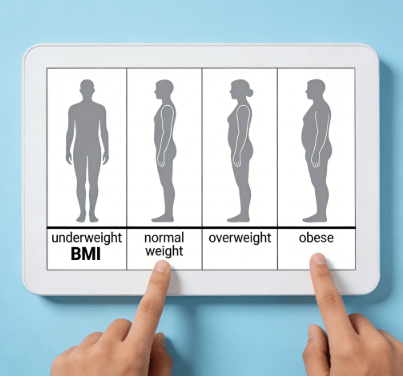
Quick Summary: Your BMI calculator result places you into one of four CDC-defined weight categories: underweight (<18.5), healthy weight (18.5–24.9), overweight (25.0–29.9), or obesity (30.0+). It is a screening tool, not a diagnosis. A high BMI doesn't automatically mean you are unhealthy—especially if you are athletic or have a healthy waist circumference. This guide explains what your number actually means and why context matters more than the number itself.
BMI is a screening flag, not a diagnosis. It measures the relationship between height and weight, not body fat percentage.
Standard categories apply to adults 18–64. Special populations require adjusted interpretation.
Muscle mass skews results. A muscular athlete can have a "high" BMI while being metabolically healthy.
Waist circumference fills the gap. Visceral fat is the real danger; a tape measure reveals risks that BMI hides.
Always pair BMI with other markers. Blood pressure, glucose levels, and lifestyle matter more than a single number.
What Your BMI Result Means: The 4 Standard Categories
BMI (Body Mass Index) is a simple calculation: weight in kilograms divided by height in meters squared. For most adults aged 18 to 64, the CDC and WHO recognize four standard categories. Here is what they mean for your health:
| BMI Range | Category | What It Suggests |
|---|---|---|
| Below 18.5 | Underweight | May indicate inadequate nutrition or an underlying health issue. Consult a healthcare provider if paired with fatigue or frequent illness. |
| 18.5 – 24.9 | Healthy Weight | Associated with the lowest risk of chronic disease. However, you can still have high body fat (normal weight obesity) if sedentary. |
| 25.0 – 29.9 | Overweight | Elevated risk for high blood pressure and type 2 diabetes. Context is key—muscle mass or waist size changes the risk profile. |
| 30.0+ | Obesity | Higher risk for chronic conditions. The CDC divides this into Class 1 (30–34.9), Class 2 (35–39.9), and Class 3 (40+). |
Use our BMI Calculator to find your number, then use the table above to see where you land.
Why BMI Is a Screening Tool, Not a Verdict
The CDC is clear: BMI is a screening tool, not a diagnostic tool. It does not measure body fat directly, nor can it distinguish between muscle and fat. BMI flags potential issues but does not identify them. That is why pairing it with waist circumference and blood work is essential.
Consider this scenario: a 42-year-old woman with a "healthy" BMI of 23 may still have a 38-inch waist and elevated fasting glucose. She ate relatively lightly and never considered herself overweight, yet her metabolic health needed attention. Over six months, she swapped refined carbs for high-fiber vegetables and whole grains. Her waist shrank to 32 inches, and her glucose returned to normal levels. Her BMI looked acceptable, but her body told a different story. This is why the American Heart Association recommends looking beyond the number.
The Two Biggest Reasons Your BMI Might Be Wrong
1. Muscle vs. Fat: The Athlete’s Dilemma
Muscle is denser than fat. In practice, a competitive powerlifter with a BMI of 31 might be labeled "obese," but if their body fat is 9% and their blood pressure is perfect, the BMI is misleading. If you lift weights regularly, your BMI will likely be higher than average, but that doesn't mean you are unhealthy.
2. Fat Location: The Visceral Fat Blind Spot
BMI cannot tell you where fat is stored. Subcutaneous fat (under the skin) is relatively harmless. Visceral fat (around your organs) is dangerous. Research from the NHLBI found that normal-weight women with a waist over 35 inches had a 31% higher risk of heart disease. A tape measure reveals risks that BMI hides.
To get a clearer picture of your body composition, consider using our Body Fat Calculator alongside your BMI results.
Special Populations: When Standard BMI Doesn’t Apply
The standard categories don't work for everyone. Here’s how interpretation changes for specific groups:
| Population | Key Difference | Recommended Action |
|---|---|---|
| Athletes | High muscle mass skews BMI upward. A BMI of 28 may be healthy. | Use body fat percentage and waist measurement instead of BMI alone. |
| Asian Adults | Lower cutoffs apply. Risks rise at lower BMIs. | Use an Asian BMI Calculator. Overweight starts at 23.0. |
| Adults 65+ | A slightly higher BMI (23–28) may protect against frailty. | Use a Senior BMI Calculator and check muscle mass. |
| Pregnant Women | BMI is not used during pregnancy. | Use pre-pregnancy BMI to track healthy weight gain with your OB-GYN. |
| Children & Teens (2–19) | Based on age/sex percentiles, not fixed numbers. | Use a Teen BMI Calculator (CDC percentile-based). |
What to Do With Your BMI Result
Once you have your number, follow these practical steps:
If BMI is <18.5: Consult a doctor to rule out nutrient deficiencies. Focus on nutrient-dense foods like avocados, nuts, and lean proteins.
If BMI is 18.5–24.9: Don’t get complacent. Measure your waist and get annual blood work. A "healthy" BMI doesn't guarantee metabolic health.
If BMI is 25–29.9: Check your waist circumference first. If it’s below 35 inches (women) or 40 inches (men), your BMI might reflect muscle, not fat.
If BMI is 30+: Schedule a visit with your primary care provider. Aim for gradual, sustainable changes (one to two pounds per week) rather than crash diets.
Pro Tip: Measure your waist correctly by standing straight, exhaling, and wrapping a tape measure around your bare stomach just above your hip bones. A healthy waist is under 35 inches for women and under 40 inches for men.
Keep in mind: Always share your BMI reading and waist measurement with your clinician, along with any existing chronic conditions or prescription medications that may affect body composition.
Frequently Asked Questions
I just got a BMI of 26—am I unhealthy?
Not necessarily. A BMI of 26 is "overweight" by standard charts, but if you are active, have a healthy waistline, and normal blood work, you are likely fine. BMI is just one data point.
Is BMI accurate for weightlifters?
BMI is less accurate for weightlifters because muscle is denser than fat. Many elite athletes fall into the "obese" BMI category while having single-digit body fat. If you lift regularly, rely on body fat percentage and waist measurements instead.
Does a healthy BMI mean I’m actually healthy?
Unfortunately, no. Up to 30% of people with a "normal" BMI have high body fat or metabolic issues (a condition called "normal weight obesity"). Always look at the full picture.
My BMI shifted 0.5 points within a single week. Should I be worried?
No, and here's why: daily fluctuations in water, food, and sodium can shift your weight by 2–5 pounds. Track trends across 4–6 weeks, rather than obsessing over daily BMI swings.
How often should I check my BMI?
Once or twice a year is enough for most adults. BMI is a trend-tracking tool, not a daily metric. Weekly weigh-ins are fine, but monthly BMI checks are plenty.
What is a healthy waist circumference?
For women, a healthy waist is less than 35 inches (88 cm). For men, it is less than 40 inches (102 cm). If your waist exceeds these numbers, you may face elevated health risks even if your BMI is in the normal range.
References & Sources
CDC: Adult BMI Categories — Underweight, Healthy Weight, Overweight, and Obesity
CDC: About Body Mass Index (BMI) — Limitations as a Screening Measure
NHLBI: Aim for a Healthy Weight — BMI and Waist Circumference Guidelines
This article is for informational and educational purposes only. It does not constitute medical advice, diagnosis, or treatment. Always consult a qualified healthcare provider regarding your individual health and weight goals. Individual results will vary. The BMI Calculator Blog Team maintains editorial independence and does not sell health products.